Strategic Ambiguity in Business
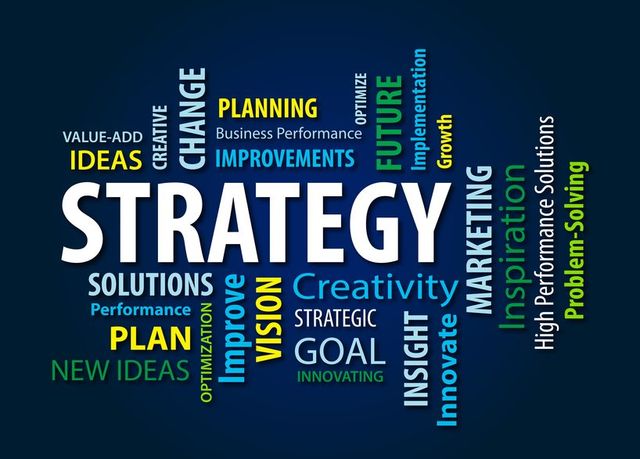
Strategy in Business
A business strategy is a set of competitive moves and actions that a business uses to attract customers, compete successfully, strengthen performance, and achieve organizational goals.
It is an outline of the actions and decisions a company plans to take to reach its business goals and objectives. The strategy defines what the business needs to do to reach its goals, which can help guide the decision-making process for hiring and resource allocation.
An effective business strategy is built around three key questions: How can my business create value for customers? How can my business create value for employees? How can my business create value by collaborating with suppliers? Many promising business initiatives don’t come to fruition because the company failed to build its strategy around value creation. Creativity is important in business, but a company won’t last without prioritizing value.
A good competitive strategy is one that creates unique value for a particular set of customers. Strategy involves creating “fit” among a company’s activities. Competing to be unique, on the other hand, is the basis of a sound business strategy that leads to a positive-sum competition with multiple winners.
A business strategy is foundational to a company’s success. It helps leaders set organizational goals and gives companies a competitive edge. Without a clear business strategy, a company can’t create value and is unlikely to succeed. To craft a successful business strategy, it’s necessary to obtain a thorough understanding of value creation.

Ambiguity in Business
In business, ambiguity is often used to keep options open and reduce the risk of alienating stakeholders. For example, a company might release a statement saying that it is “exploring new opportunities.” By avoiding being specific, the company can keep its options open and reduce the risk of alienating stakeholders.
Strategic ambiguity can help leaders achieve their goals correctly while avoiding blame or taking undue credit. Ambiguity can cause anxiety from not knowing what direction to take. It can breed self-doubt as you over analyze whether you’re doing the “right” thing and get stuck in analysis paralysis. But most importantly, it can help you grow.
Ambiguity is ever-present in our adult lives and until you master how to handle it, you may not realize success. The world of work is more ambiguous than ever before. Between technological advances that are changing the landscape of companies daily, a global pandemic that has shifted the way teams work together, and a Google search bar filled with the promise of a million and one solutions for one simple problem, how could it not be? There are so many solutions. So many ways of doing things. So many points of view and opinions.
Strategic Ambiguity
Strategic ambiguity is a term that refers to the use of purposely vague language in the workplace. This is done to keep employees guessing and maintain control over them. The idea behind strategic ambiguity is that if you don’t explicitly say what you expect from your employees, they will be more likely to work harder and not question their tasks.
Strategic ambiguity is when people use words or phrases with multiple meanings to confuse someone or themselves. It’s often used in politics, business, and relationships. Strategic ambiguity can be used in various situations, but it’s most commonly used in politics, journalism, and marketing. In marketing, it can attract customers by making them wonder about the product or service being offered. In politics, strategic ambiguity can help candidates avoid committing to specific policies until they’re elected and make the most of their flexibility once they’re in office.
Strategic ambiguity is a strategy where a company or individual takes a position that is not easily definable to their opponents. This can be done to gain an advantage by keeping the enemy guessing or avoiding being pinned down to a specific strategy.
Shop new arrivals
-
Hisense 6.6″ Android13 Dual Sim E70
Original price was: $ 150.00.$ 129.00Current price is: $ 129.00. -
Nokia C1
Original price was: $ 150.00.$ 59.00Current price is: $ 59.00. -
Samsung Galaxy A03Core
Original price was: $ 140.00.$ 119.00Current price is: $ 119.00. -

Weekly Meal Plan
$ 0.00 -
Wifi 2 GiG Daily
Original price was: $ 5.00.$ 1.00Current price is: $ 1.00. -
Wifi 5 GiG Daily
Original price was: $ 3.00.$ 2.00Current price is: $ 2.00.